Slag Inclusions

7 Common FCAW Welding Mistakes and Defects

Flux-cored arc welding (FCAW) offers many advantages, especially in outdoor environments and for welding thick materials. However, like any welding process, FCAW is prone to specific mistakes and defects that can affect the quality and strength of the weld. In this article, we’ll break down some of the most common FCAW welding mistakes and how…

Color Codes for TIG Welding Tungsten Electrodes

Tungsten Inert Gas (TIG) welding relies heavily on choosing the right tungsten electrode, and color coding makes this easier. Each color represents a specific type of tungsten electrode, optimized for different welding materials and conditions. Importance of Tungsten Electrode Color Codes Tungsten electrodes are critical for TIG welding as they conduct the electrical current needed…

E6010, E6011, E6013, E7018, and E7024 – A Complete Guide

When comparing welding electrodes like E6010, E6011, E6013, and E7018, understanding the specific characteristics of each can make all the difference in choosing the right rod for your job. Each rod offers unique features in terms of arc stability, penetration, application, and power requirements. Let’s break down their pros, cons, and best-use scenarios to help…

Which Filler Wire is Better: Flux-Cored or Metal-Cored?

Not sure if flux-cored or metal-cored wires are right for your job? The choice depends on your specific project needs, whether it’s portability, efficiency, or weld quality. Understanding Flux-Cored and Metal-Cored Wires Flux-cored and metal-cored wires are commonly used in fabrication and manufacturing applications. Both types of wires are tubular and filled with alloying elements,…

Understanding the Differences 4043 vs 5356

Use 4043 or 5356? Find Out Which is Better

Not sure if you should use 4043 or 5356 filler alloy? It all depends on your specific project needs. In this article, we break down each alloy’s benefits, characteristics, and suitability to help you make the right choice. Understanding the Differences: 4043 vs 5356 Composition and Characteristics 4043 Filler Alloy: This aluminum-silicon filler metal contains…

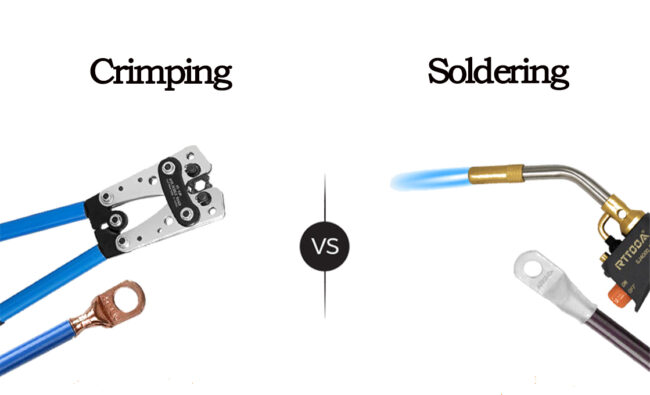
Soldering vs. Crimping

Crimping or Soldering: Which to Choose for Your Project?

When deciding between soldering and crimping, it’s essential to consider the specific needs of your electrical connections. Both methods have distinct advantages and disadvantages depending on the context in which they are used. This article will delve into the benefits and drawbacks of each technique, helping you decide which is better for your situation. What…

Strength Comparison: Common MIG Wires and Electrodes

Welding is vital in metal fabrication, and selecting the right welding wire or electrode makes a significant difference in strength and reliability. This article compares common welding consumables to help you find the best match for your needs—whether it’s MIG wires, flux-cored wires, or stick electrodes. Comparative Strength: Welding Wires and Electrodes Tensile Strength and…

Copper-Coated Welding vs Copper-Free Welding Wire

Copper-Coated vs Copper-Free Welding Wire Explained

Are you struggling to decide between copper-coated vs copper-free welding wire for your next welding project? The choice between these two types can significantly impact your welding performance and results. This comprehensive guide will help you understand the differences, benefits, and ideal applications for both copper-coated and copper-free welding wires. What Is Copper-Coated Welding Wire?…

What Is E7018 Welding Rod

E7018 Explained: What Every Welder Should Know

Looking for a comprehensive E7018 guide to enhance your welding skills? Whether you’re a seasoned professional or a hobbyist, understanding the ins and outs of the E7018 welding rod is crucial. This electrode is renowned for its versatility and strength, making it a staple in various welding applications. In this guide, we’ll delve deep into…

What is E6013 Welding Rod

Everything About E6013 Welding Rods: Applications and Tips

The E6013 welding rod is one of the most commonly used electrodes in welding, especially favored by beginners and hobbyists due to its versatility and ease of use. Whether you’re working on thin sheet metal, automotive repairs, or structural steel, understanding the E6013 electrode’s properties and how to use it effectively is crucial for achieving…